Guide To Self Cleaning Robot Vacuum: The Intermediate Guide In Self Cleaning Robot Vacuum
The Rise of Self-Cleaning Robot Vacuums: A Comprehensive Guide
Introduction
The busy speed of modern life typically leaves individuals having a hard time to find time for family chores. In this context, self-cleaning robot vacuums represent an innovative service that not only saves valuable time but also improves the efficiency of home cleaning. This short article explores the mechanics, features, benefits, and factors to consider of self-cleaning robot vacuums, providing a substantial introduction for anyone considering investing in one.
What is a Self-Cleaning Robot Vacuum?
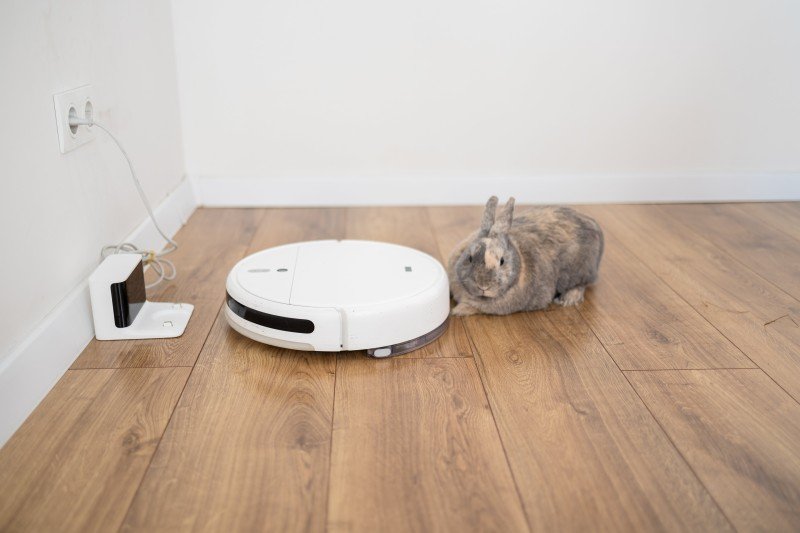
A self-cleaning robot vacuum is an automatic cleaning device programmed to browse and clean different floor types without human intervention. Unlike automatic hoover , these robotics integrate sophisticated technology that enables them to map out their environment, identify obstacles, and go back to a charging station. The self-cleaning feature refers to the automated maintenance of the vacuum's dustbin, brushes, and filters, making sure optimum efficiency without manual cleaning.
How Does a Self-Cleaning Robot Vacuum Work?
Self-cleaning robot vacuums utilize a mix of sensors, algorithms, and computer vision technology to run effectively. Here's a breakdown of their primary parts:
Navigation System:
- Lidar: Light Detection and Ranging technology is used for mapping and navigation.
- Infrared Sensors: These sensors assist the vacuum spot obstacles and avoid accidents.
Purification System:
- HEPA Filters: Many have High-Efficiency Particulate Air filters to capture irritants and fine particles, improving air quality.
Self-Cleaning Mechanism:
- Auto-Empty Station: Some designs have a docking station that instantly clears the vacuum's dustbin into a larger container, which can hold particles for a number of weeks.
- Brush Cleaning: Certain designs incorporate mechanisms to clean up the brushes automatically, lowering upkeep frequency.
Smart Features:
- Mobile App Integration: Control and keep track of the vacuum remotely through smartphone apps.
- Voice Control: Compatible with smart home systems, allowing users to initiate cleaning with voice commands.
Advantages of Self-Cleaning Robot Vacuums
Self-cleaning robot vacuums boast numerous advantages that make them an appealing option for contemporary families:
1. Convenience
- Hands-Free Cleaning: These robotics can run on schedules, allowing users to set them to clean up while they are away.
- Less Maintenance: The self-cleaning functions lower the need for regular manual emptying and brush cleaning.
2. Time-Saving
- Effective Cleaning: Equipped with clever navigation, these vacuums can effectively cover large locations, conserving time compared to standard vacuuming.
3. Improved Cleaning Capabilities
- Advanced Filtration: HEPA filters trap allergens, making them suitable for allergic reaction sufferers.
- Smart Mapping: The capability to produce efficient cleaning paths makes sure that no area is ignored.
4. State-of-the-art Integration
- Smart Home Compatibility: Many designs seamlessly integrate with existing clever home systems, enhancing user experience.
5. Cost-Effectiveness
- Decreased Cleaning Costs: Investing in a self-cleaning robot vacuum can reduce the frequency of expert cleaning services.
Popular Self-Cleaning Robot Vacuums in the Market
Here's a table comparing some of the leading self-cleaning robot vacuums offered:
Brand & & Model
Auto-Empty Capacity
Smart Features
Price
iRobot Roomba s9+
30+ dustbin capacity
Smart mapping, App control
₤ 999
Roborock S7 MaxV
30+ dustbin capacity
Lidar, Voice control
₤ 749
Shark IQ Robot
30+ dustbin capability
Smart mapping, App control
₤ 599
Ecovacs Deebot T8
30+ dustbin capability
Lidar, Home security
₤ 799
Neato D8
15+ dustbin capacity
Easy navigation, App control
₤ 499
Factors to consider Before Buying
When selecting a self-cleaning robot vacuum, a number of factors should be taken into account:
1. Home Layout
- Assess the size and design of your home, consisting of floor types and barriers, to guarantee compatibility with the vacuum's navigation capabilities.
2. Pet Hair Management
- If you have family pets, guarantee that the vacuum design is specifically developed for family pet hair cleaning and has strong suction and brush abilities.
3. Legal Considerations
- Evaluation the guarantee and client service track record of the brand to guarantee reliability.
4. Budget plan
- Identify your budget for this device, remembering that higher-end models often supply extra features.
5. Maintenance Requirements
- While self-cleaning vacuums lower cleaning frequency, users need to still think about the maintenance of the dustbin and filters based upon the model's requirements.
Frequently asked questions
1. Do self-cleaning robot vacuums actually tidy well?Yes, self-cleaning robot vacuums can successfully clean up various floor types when equipped with good technology and features. However, their cleaning performance can vary amongst different brand names and designs.
2. How typically do I need to clear the auto-empty station?The auto-empty stations of self-cleaning vacuums normally need to be emptied every few weeks, depending upon usage and the debris in your house.
3. Are self-cleaning robot vacuums worth the investment?For numerous users, the time saved and minimized effort required for cleaning make self-cleaning robot vacuums a beneficial investment, especially in busy families.
4. Can self-cleaning robot vacuums be controlled by means of smart device?Yes, lots of designs allow users to manage them through a smartphone app, setting schedules, keeping an eye on cleaning status, and tailoring cleaning modes.
Self-cleaning robot vacuums offer an amazing solution to one of the most tiresome household tasks. With their autonomous cleaning abilities, advanced innovation, and combination into smart home systems, they not just streamline the cleaning process however also enhance the total tidiness of living spaces. As they continue to develop, self-cleaning robot vacuums are poised to remain a staple in contemporary households, helping with an easier and effective way of life.